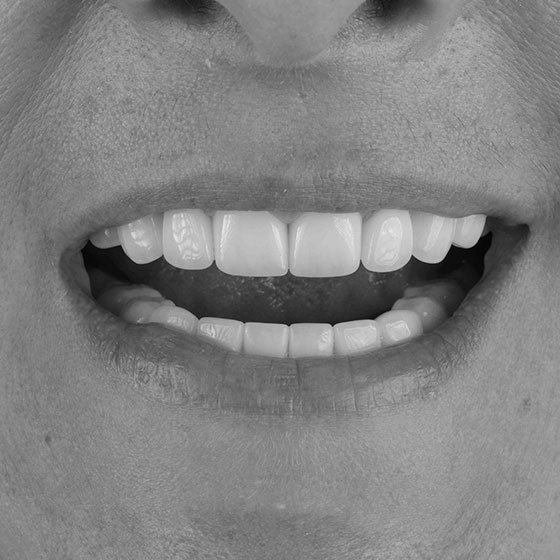
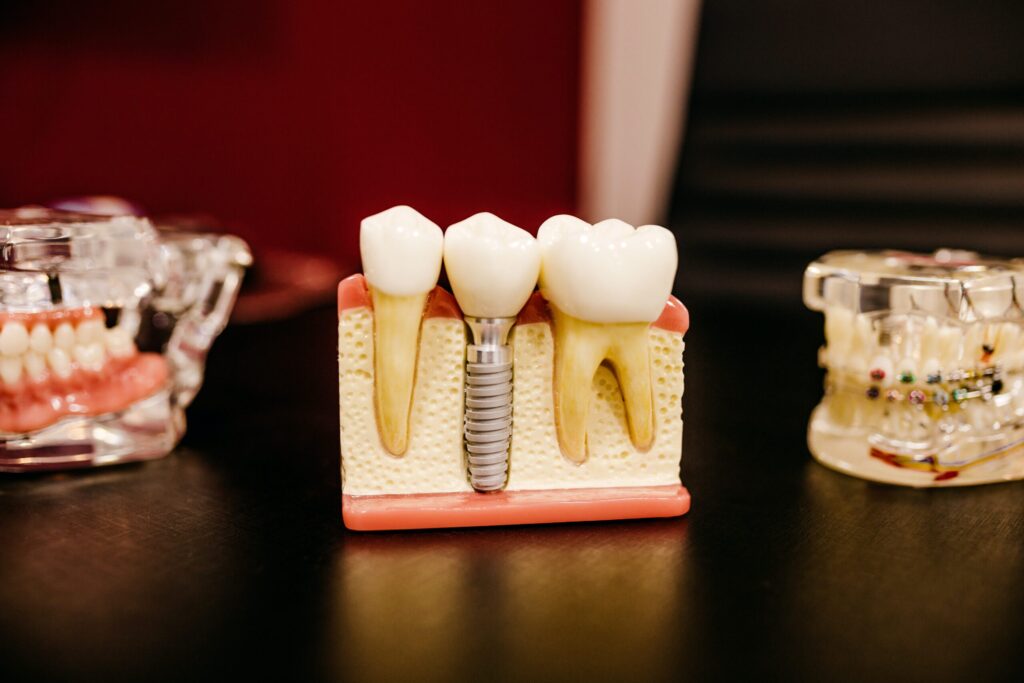
What are dental implants and how do they work? If you’re missing teeth and looking for a permanent and natural solution, this comprehensive guide is for you. We’ll explore everything from the types of dental implant treatments available to the costs involved and the long-term benefits. Implant dentistry has seen remarkable advancements, and understanding the ins and outs of dental implants is crucial for anyone considering this treatment. Whether you’re a new patient or a curious reader, this guide aims to be your go-to resource on dental implants.
A Permanent Solution for Missing Teeth: What is a Dental Implant?
Dental implants are artificial roots, usually made of titanium, that are surgically placed into the jawbone underneath the gum line. Once in place, they allow your dentist to mount replacement teeth onto them. These replacement teeth are known as crowns, bridges, or dentures, and they’re made to match your natural teeth, both in appearance and function.
Who is a Candidate for Dental Implants?
Not everyone is automatically eligible for dental implants. Various factors, such as overall health, bone density, and lifestyle, can affect candidacy. A thorough dental examination can determine if you’re a suitable candidate for dental implant treatment. We’ll look at the core criteria for candidacy in the next section.
Core Criteria for Dental Implant Candidates
To be a suitable candidate, you generally need to:
- Have enough bone in your jaw to support the implant or be a candidate for bone grafting.
- Have healthy oral tissues.
- Be committed to good oral hygiene and regular dental visits.
- Not have any conditions that may affect bone healing, such as uncontrolled diabetes, cancer, or nicotine dependence.
Stages of Dental Implant Treatment
Understanding the procedure can alleviate anxiety about the process. Dental implant treatment involves several stages, starting from the initial consultation to the placement of the final prosthesis.
Examination and Planning
The first stage is the examination and planning. This includes:
- A complete dental exam, including x-rays, 3D imaging, and molds of your teeth.
- Reviewing your medical history.
- Developing a customized treatment plan.
Implant Placement
During the placement stage:
- The dental implant will be surgically placed into your jawbone.
- You may experience minor discomfort that can typically be managed with over-the-counter pain medications.
Healing Process
The implant must bond (osseointegrate) with the jawbone over three to six months. Your bone will grow around the implant to hold it in place.
Prosthesis Application
Once the implant has healed, the abutment is placed. This step:
- Involves attaching an extension to the implant.
- Is a minor surgical procedure that requires local anesthesia.
- Occurs two weeks after the abutment placement, and the restorative dentist takes impressions of the surgical area and your adjacent teeth.
How is Dental Implant Procedure Done? Detailed Procedure
The dental implant process is precise and involves several steps. Let’s walk through each step in detail:
Initial Consultation
First, you’ll meet with a dental implant specialist to discuss your treatment options. This is a key step to understand the process and ask any questions you may have.
Implant Surgery
Surgery involves making an incision in the gum to expose the bone and drilling a hole for the implant.
Abutment Placement
The abutment is placed with a healing cap over the implant to shape the gum tissue and promote natural healing.
Placement of the Final Prosthesis
After the abutment has fused with the tissue, the final prosthesis, such as a crown, is placed.
Dental Implant Prices: How Much Does it Cost?
Understanding the cost of dental implants is vital for financial planning. The price varies depending on the type of implant and the complexity of the treatment. Here, we’ll break down the various factors influencing the overall cost.
What Goes into the Cost of Dental Implants?
Factors that affect cost include:
- The number of teeth being replaced and the type of prosthesis required.
- Any additional procedures, such as tooth extraction, bone grafting, or sinus lifts.
- The materials used.
- The geographic location of the clinic.
Cost Comparisons
- Dental Implant Prices in Turkey: Turkey has emerged as a popular destination for dental tourism, offering quality care at a fraction of the price in Western countries.
- Costs of Different Dental Implant Types: Standard single tooth implants differ in cost from All-on-4 or All-on-6 full arch replacement implants.
- Dental Implant Prices in England: Prices in the UK are generally higher, reflecting the higher cost of living and healthcare.
- Full Mouth Dental Implant Cost: If you’re considering implants for your full mouth, the overall expense will be more significant.
Risks and Disadvantages of Dental Implants
Like any medical procedure, dental implants come with potential risks and disadvantages. It’s essential to be informed about these and discuss them with your dental professional.
Common Risks
- Infection at the implant site.
- Nerve damage, which can cause pain, tingling, numbness, or a strange feeling in your natural teeth, gums, lips, or chin.
- Sinus problems when dental implants placed in the upper jaw protrude into one of your sinus cavities.
Discomfort and Recovery
- Pain After Surgery: Discomfort after the procedure is common and can be managed with medication.
- Healing Time: The healing process varies from person to person, and the dental professional will provide personalized aftercare instructions to ensure a smooth recovery.
How Long Does Dental Implant Treatment Take?
The total time required for dental implant treatment can vary significantly. The number of teeth being replaced, your oral health, and the type of implants used all play a role in determining your treatment duration.
Estimated Treatment Times
- Single Tooth Implants: These can typically take about five months from start to finish.
- Multiple Tooth Implants: Treatment for several teeth can take six to nine months.
- Full Mouth Implants: Full arch replacement often requires multiple surgeries over 12 months or more.
Does Dental Implant Hurt?
Many patients wonder about the pain involved with dental implant treatment. Thankfully, discomfort is generally mild and manageable.
Pain Management
- Local Anesthesia: You’ll receive local anesthesia during the implant surgery, making the procedure virtually painless.
- Post-Surgery Discomfort: There may be some soreness after the anesthesia wears off, which can be managed with over-the-counter pain relievers.
What to Consider After Dental Implantation
The period following dental implant surgery is crucial for the success of your implant. Proper aftercare can prevent complications and ensure a smooth recovery.
Aftercare Tips
- Oral Hygiene: Maintain your oral hygiene routine, taking care not to disturb the surgical site.
- Dietary Considerations: Stick to soft foods immediately after surgery and gradually reintroduce your regular diet as the area heals.
- Follow Up: Attend all scheduled follow-up appointments to monitor the healing process and adjust your treatment plan if necessary.
How Durable is Dental Implant?
One of the greatest benefits of dental implants is their durability. With proper care, a dental implant can last a lifetime.
Factors Affecting Longevity
- Good Oral Hygiene: Maintaining excellent oral hygiene is the key to implant longevity.
- Regular Check-Ups: Attend regular dental check-ups to ensure the implant is in good condition and functioning correctly.
Benefits of Dental Implant
The benefits of dental implants go beyond aesthetics. They provide a stable and durable foundation for natural-looking teeth that can improve your oral health and quality of life.
Benefits Overview
- Improved Self-Esteem: Dental implants can give you back your smile and help you feel better about yourself.
- Enhanced Chewability: Unlike dentures, implants function like natural teeth, allowing you to bite and chew without discomfort.
- Preservation of Facial Structure: Implants stimulate the jawbone, which can help preserve facial structure and prevent bone resorption that occurs with missing teeth.
Success Rates of Dental Implant
The success rate of dental implants is impressively high. With a success rate of over 95%, dental implants are among the most successful dental treatments available.
Factors Contributing to Success
- Quality of Jawbone: A strong jawbone ensures the implant has a solid foundation.
- Oral Health: Good oral health and proper hygiene practices lead to higher success rates.
- Professional Skill: The experience and skill of the dental professional performing the procedure play a significant role in success.
Patient Reviews on Dental Implant
Real patient stories can offer insight and comfort to those considering dental implant treatment. These reviews can provide a realistic view of what to expect and how the procedure may impact your life.
Real-Life Experiences
- Testimonials: Reading testimonials from other patients can give you an idea of the procedure’s benefits and what the recovery process is like.
- Before and After Photos: Visual evidence of the impact of dental implants can provide a clear picture of the transformation the procedure can offer.
Frequently Asked Questions
You likely have specific questions about dental implants. We’ve compiled a list of some of the most common queries to provide you with detailed answers.
FAQ
Is Turkey a Good Choice for Dental Implant Treatment?
Turkey’s advanced dental facilities and experienced practitioners make it an attractive choice for many patients seeking affordable and quality dental care.
How Long Does a Dental Implant Last?
With proper care and maintenance, dental implants can last a lifetime.
How Much is a Single Dental Implant in England?
The cost of a single dental implant in England varies, but it’s generally more expensive than in other countries.
—
This in-depth guide is designed to be your complete reference source for all things dental implants. From understanding the initial stages of treatment to cost considerations, risks, and long-term benefits, you should now have a thorough understanding of what to expect from the dental implant process. If you’re still curious about specific aspects of dental implants or considering this treatment, consult with our coordinators for personalized advice right away. A life changing treatment, dental implants can bring back your smile and confidence. Ready to take the next step towards a healthier, happier you? This guide is a great start.
Turkey Teeth: What are Turkey Teeth and how much do they cost?
Facebook Our Facebook page