Hello, MondayMates! Welcome back! Today, we’re tackling a common concern: Does teeth whitening damage your teeth?
The Short Answer: Yes… and No
Teeth whitening is often seen as a simple way to achieve a brighter smile without undergoing extensive dental procedures. But is it truly safe?
The reality is that while whitening can cause temporary changes to your teeth, these effects are generally reversible—provided you follow the recommended guidelines.
How Does Teeth Whitening Work?
To understand the potential risks, let’s first explore how whitening works. During the procedure, a whitening gel containing hydrogen peroxide is applied to the teeth. This compound works by breaking down stains and discoloration, but in the process, it also removes some minerals from the tooth structure—a process known as demineralization.
While this might sound concerning, the good news is that your teeth have a natural ability to remineralize over time. This is why dentists recommend spacing out whitening treatments appropriately. If done too frequently, your teeth may not have enough time to recover, leading to increased sensitivity, enamel weakening, and even structural damage.
How Long Should You Wait Between Whitening Sessions?
- In-office whitening – Dentists typically recommend waiting at least two years before repeating the treatment.
- At-home whitening kits – These contain a lower concentration of whitening agents, so they can be repeated more often, but still require a six-month gap between treatments.
Following these guidelines allows your teeth enough time to regain lost minerals and maintain their strength.
What Happens If You Overdo Whitening?
If you whiten your teeth too frequently without allowing for proper remineralization, you may experience:
- Increased tooth sensitivity
- Enamel weakening, leading to chipping or crumbling
- Higher risk of tooth decay and gum irritation
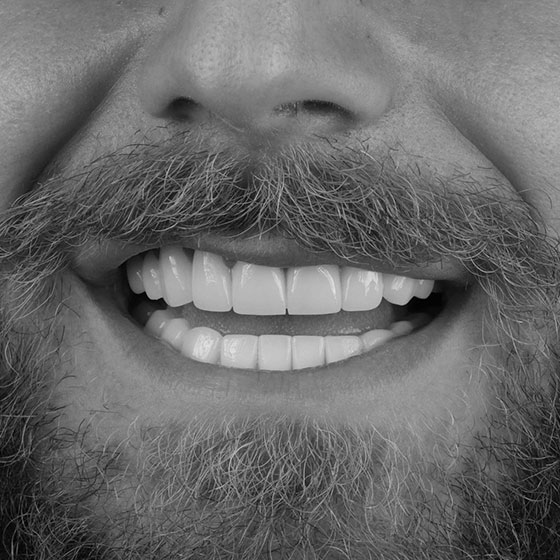
For those seeking permanently white teeth, alternative solutions like veneers or lumineers may be worth considering. These offer a long-lasting aesthetic solution without repeated whitening treatments.
The Takeaway
Teeth whitening is safe when done in moderation. If you follow your dentist’s recommendations and allow your teeth time to recover between sessions, you can maintain a bright smile without harming your natural teeth. However, excessive whitening can lead to irreversible damage, so it’s important to avoid overuse.
If you have any questions, feel free to reach out to us! Team MondayMed is always here to help. Let us know if there are any topics you’d like us to cover in future articles.
Until next time, take care and don’t forget to brush your teeth!